Speakers
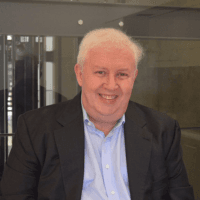
Prof Grahame Simpson
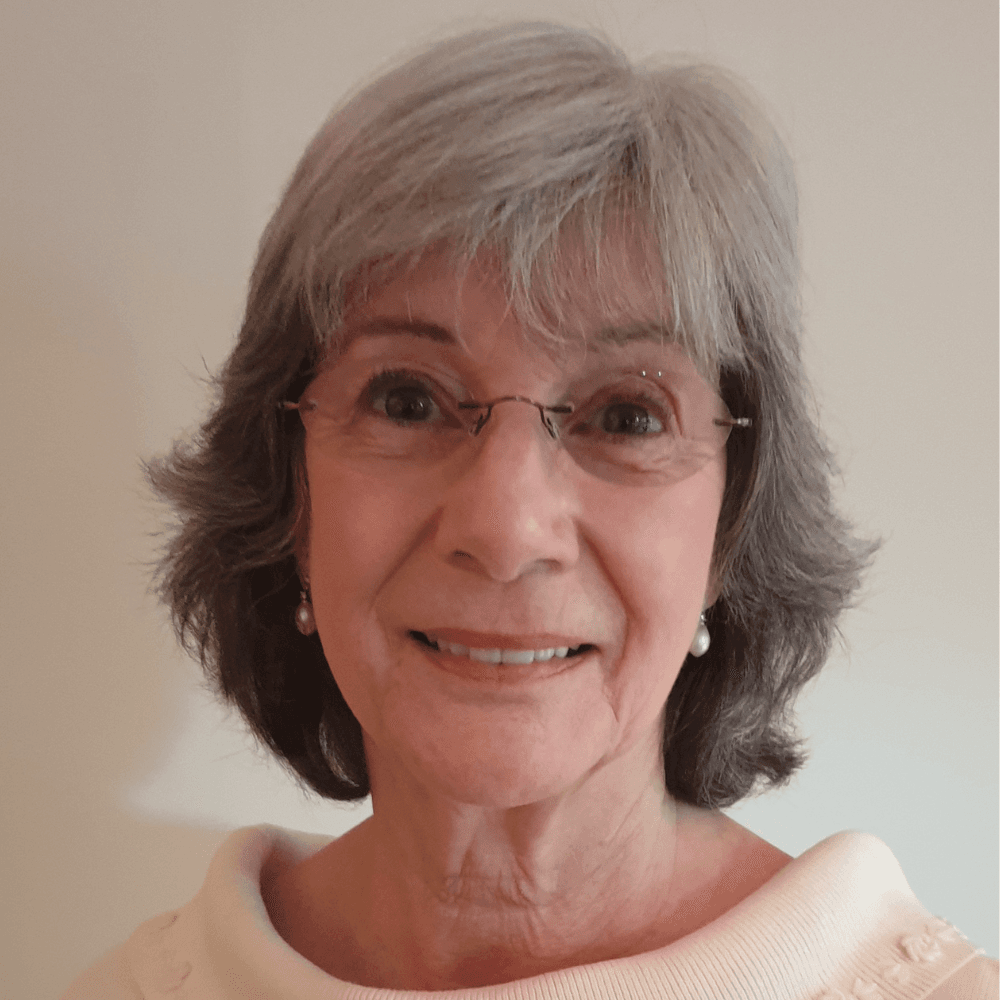
Prof Emerita Robyn Tate
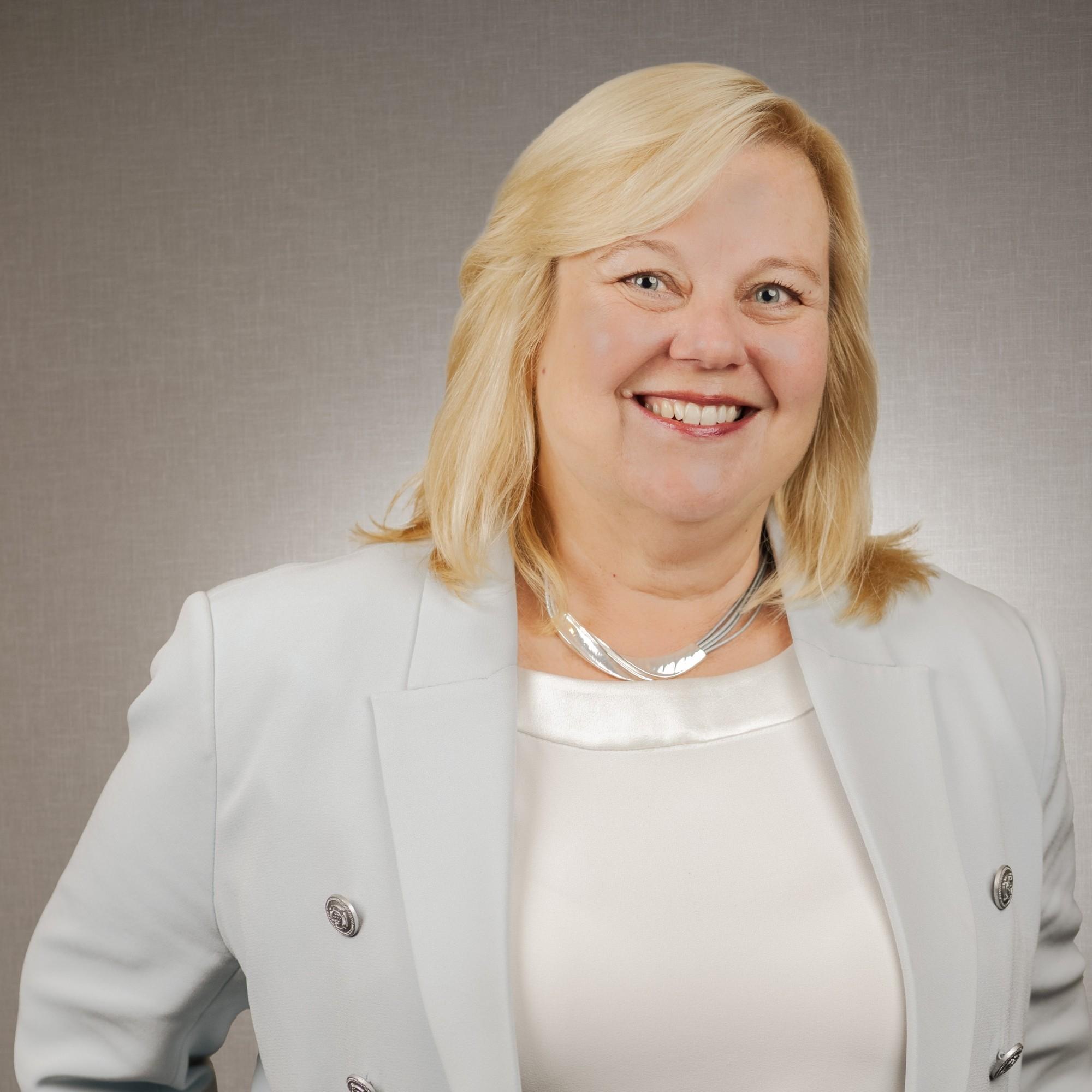
Prof Leanne Togher
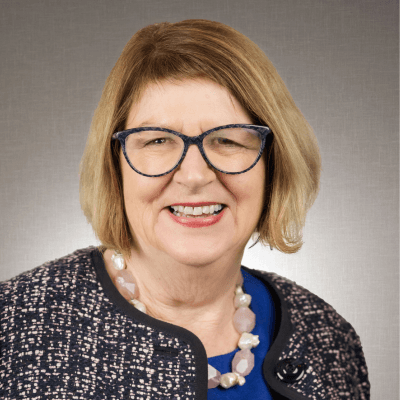
Prof Skye McDonald
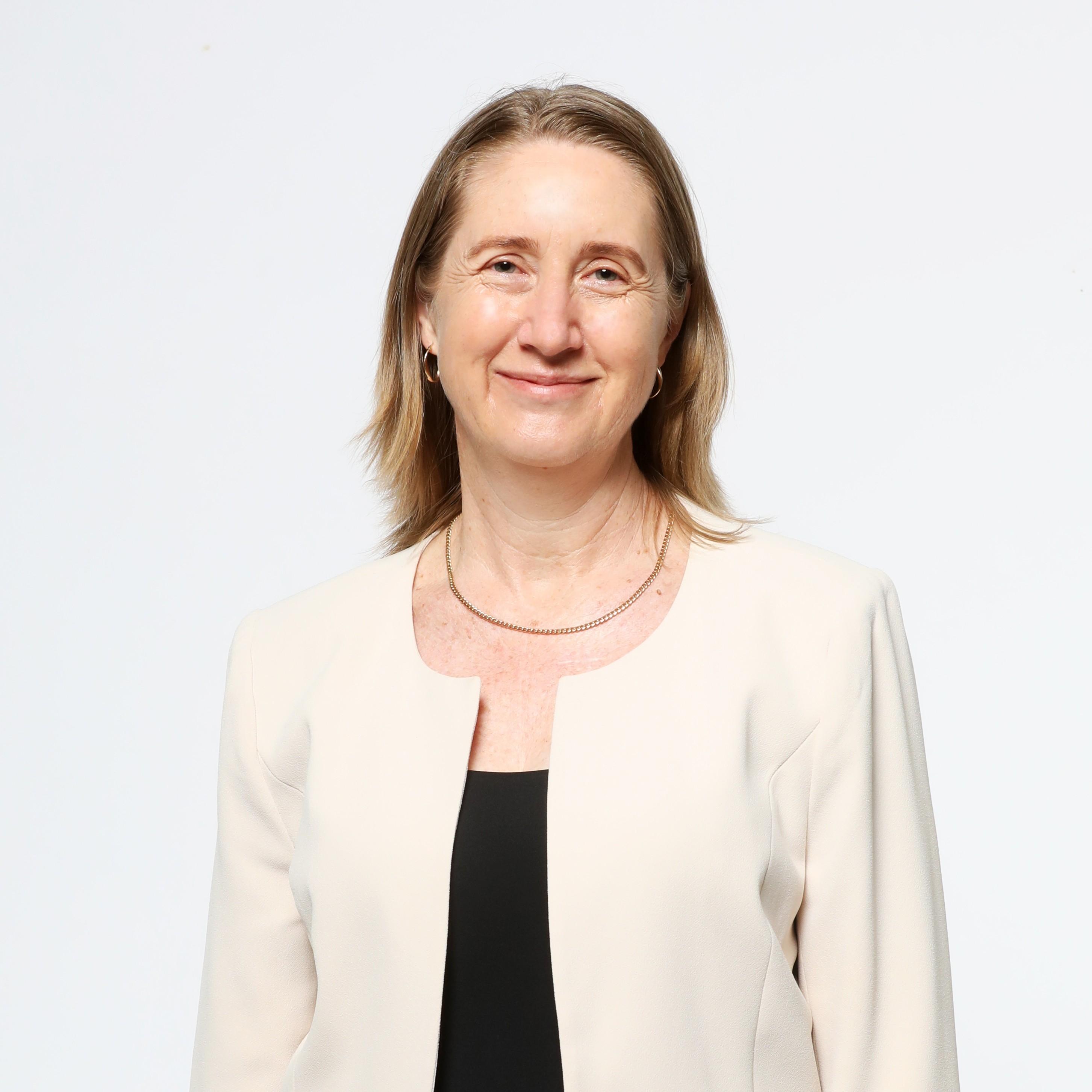
Prof Leanne Hassett
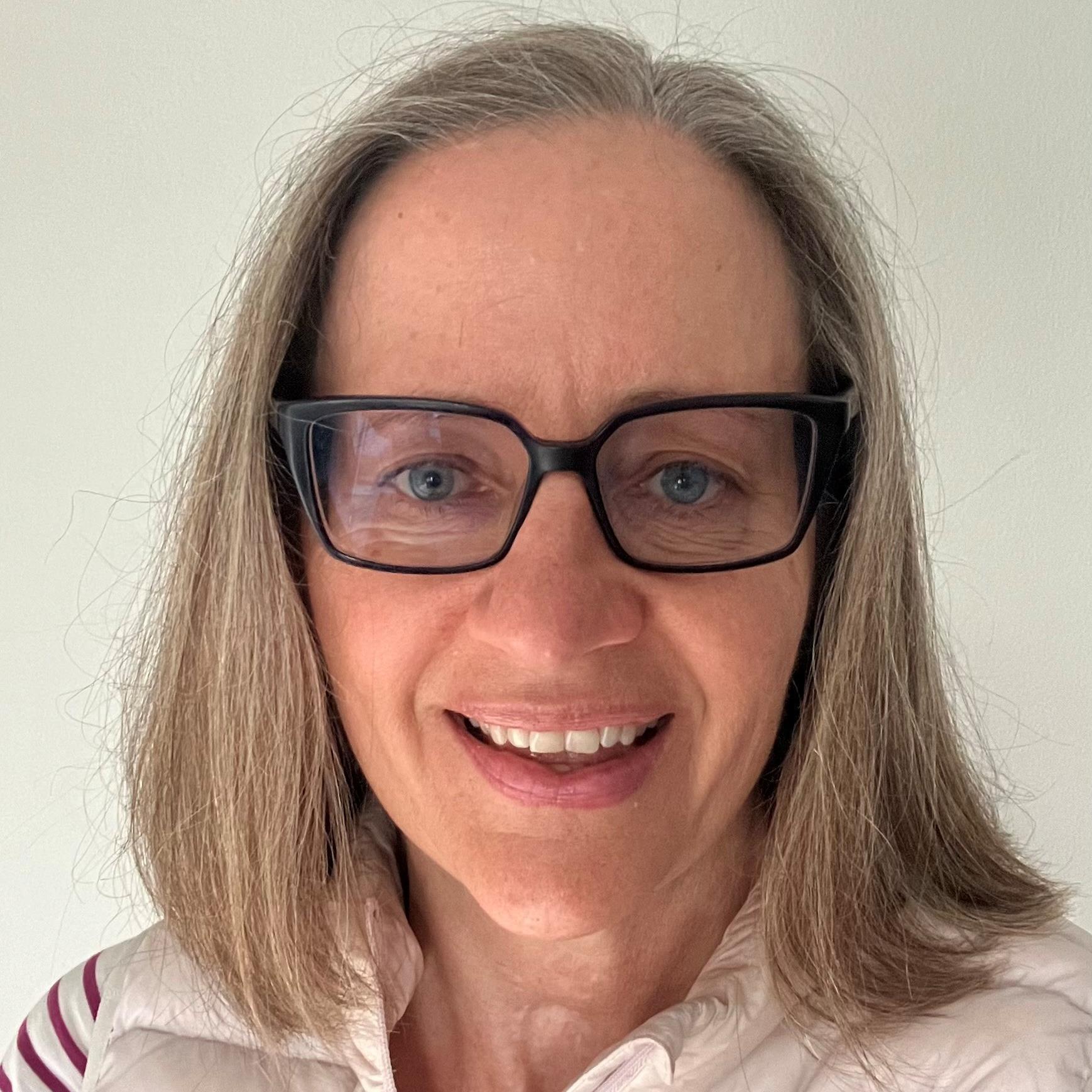
Gabby Vassallo
Dr Ann Livingstone
AGENDA
9:35 - 9:50 - Graham Simpson
Presentation title: From Lidcombe to Liverpool: Progression and pitfalls in designing a rehabilitation service for the ‘young head-injured’ - The first two decades of the Brain Injury Rehabilitation Unit.
This presentation will outline key features in the initial journey of developing a model of rehabilitation to meet the needs for young adults who had sustained a traumatic brain injury. A 1974 survey of the incidence and outcome of severe head injury across Western Sydney by founding unit staff, provided the evidence needed to establish a ‘Retraining unit at Lidcombe hospital in October 1975, leading to the opening of the Head Injury Unit in February 1976. Following the establishment of the inpatient unit, step down hostel-type accommodation paired with community rehabilitation services were quickly commissioned to provide for the longer term re-integration and psychosocial support that was needed. At a state level, evolution in compensation and insurance arrangements led to the 1987 Cuff Report, which provided a template for a state-wide NSW brain injury rehabilitation plan. This plan was subsequently implemented and led to the establishment of the current unit, in a purpose-designed building on the grounds of Liverpool Hospital and opened in 1995.
9:50 - 10:10 - Prof Emerita Robyn Tate
Presentation title: Single-case methodology in brain injury rehabilitation and research: from a tentative beginning to a promising future
This presentation reviews our team’s theoretical and clinical contributions to the use of single-case experimental designs in neurorehabilitation. The methodological resources we developed to improve the scientific quality of single-case research include critical appraisal scales (such as the Risk of Bias in N-of-1 Trials [RoBiNT] Scale, its associated algorithms and online training program) and reporting guidelines (including the SCRIBE reporting guideline for single-case behavioural intervention research). A complementary line of our research program also addressed the translation of single-case methodology to the clinical setting, where we developed a hierarchical framework that delineates levels of scientific rigor of interventions for individual patients/clients (the Model for Assessing Treatment Effect, MATE), as well as a structured planning tool for clinicians and researchers (the Single-Case Design Plan, SCD-PLAN) with the aim of facilitating scientifically rigorous implementation of the single-case approach. Over the past 10 years our teams have also published a range of empirical single-case experimental design studies with moderate-to-very high methodological rigor. Finally, findings from our 2026 methodological review of the single-case neurorehabilitation literature over a 50-year period indicate that although the scientific quality is generally of a low standard, the availability of resources produced by our own and other research groups has the potential to improve the quality of future research and clinical practice.
10:10 - 10:30 - Prof Leanne Togher
Presentation title: How speech pathology intervention for people with TBI has transformed in 50 years: the tale of the empty filing cabinet
Speech pathology intervention for people with moderate to severe traumatic brain injury (TBI) in 1976 was largely driven by approaches used for aphasia management following stroke. It is not surprising that this approach was not particularly effective for these patients who, we now know, had cognitive communication disorders (CCDs), which were yet to be identified. In fact, the first definitions of CCDs did not emerge until the early 2000s. Since that time, there has been a significant increase in our understanding of the nature of CCDs, their impact on the person and their family members and friends and the person’s rehabilitation outcomes. This presentation will provide an overview of the advances in the management of CCDs after TBI over the past 50 years, and a glimpse into where we are heading in the future. Key to future advances is the use of co-design with people with TBI and their families to design treatment programs, embracing the use of technology, digital health and AI, and keeping the person at the centre of their communication rehabilitation.
10:30 - 10:50 - Prof Skye McDonald
Presentation title: Approaching Lidcombe Station: An all stops journey towards social awareness
In this presentation I will describe my initial days as a new neuropsychologist at Lidcombe Hospital. Armed with the standard tools of a clinical neuropsychologist I was at a loss to know how to describe the complex changes in personality and social function that so many of our patients with TBI experienced. Thus, I started my PhD, trying to find a literature that did not exist, turning to other professions, like speechies, other conditions, like aphasia, and other knowledge bases, like linguistics, to make sense of what the young adults with TBI were demonstrating. Gradually, over the decades, a new neuroscience has emerged, that of the ‘social brain’. I will describe my role in this field, developing a test that is useful as well as new remediation techniques and the importance of collaboration.
10:50 - 11:10 - Prof Leanne Hassett & Gabby Vassallo
Presentation title: Getting People Moving: Past, Present and Future Directions for Physiotherapy in Brain Injury Rehabilitation
11:10 - 11:30 - Dr Ann Livingstone
Presentation title: Beyond the Injury: A Family's Journey Through Recovery, Resilience, and Hope
Brain injury rehabilitation has increasingly recognised that recovery is not experienced by an individual alone, but by an entire family. Drawing on her lived experience as the partner of a person with a brain injury, alongside her research in brain injury rehabilitation and health economics, Dr Ann Livingstone reflects on how families experience and shape recovery. This presentation reflects on how injury reshapes family relationships, roles, decision-making, and everyday life. Moving forward, she argues for rehabilitation systems that better recognise, support, and invest in families as essential partners in recovery, while delivering meaningful and sustainable outcomes for people following brain injury.